

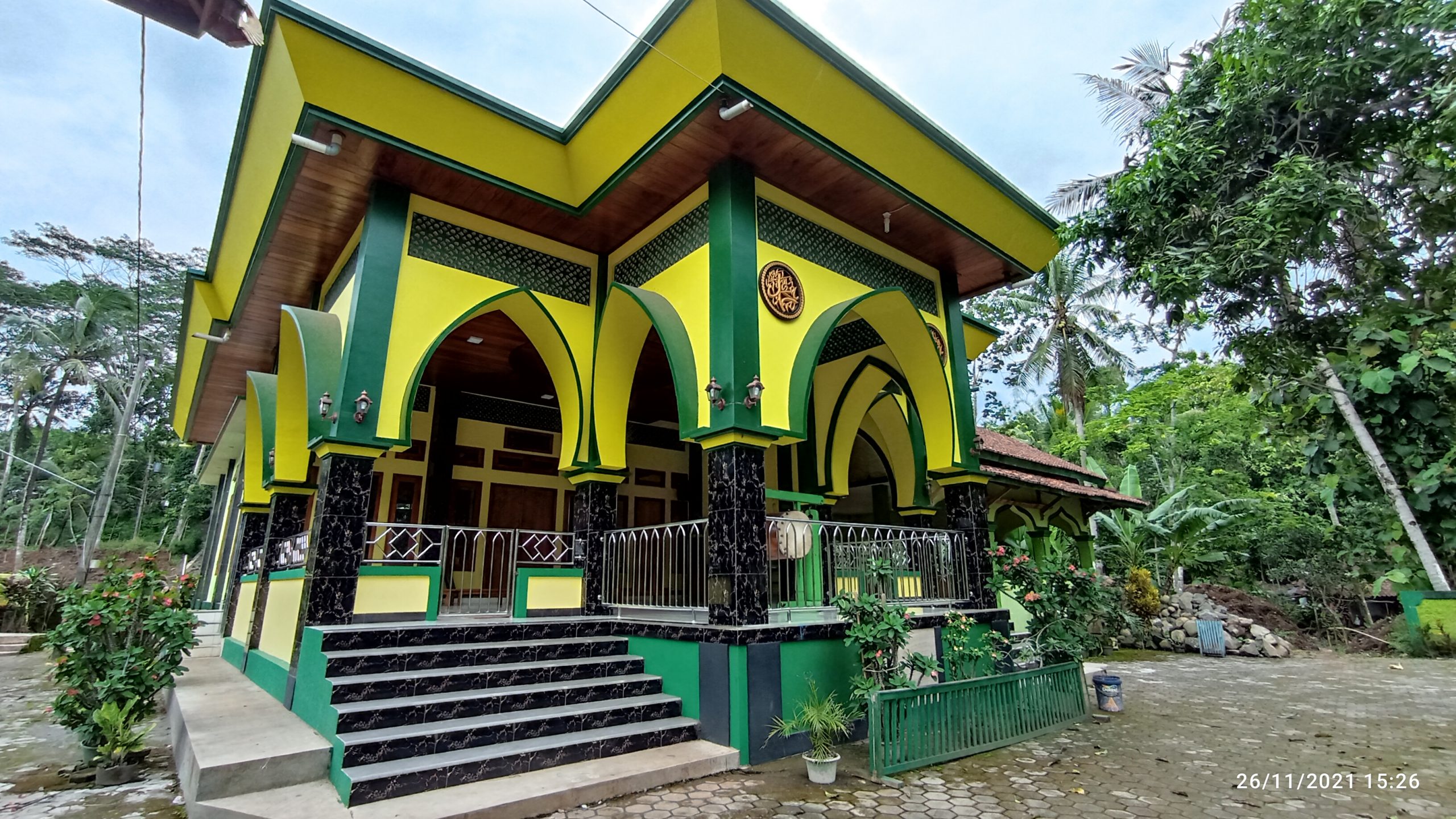

The history of Islam in Muncar Village began with the establishment of Al Muttaqin Mosque in Ledok during the 1920s by Pak Zaed from Petak Susukan. This mosque not only symbolizes the early arrival of Islam in the hamlet but also became an educational center through the founding of Al Muttaqin Islamic Boarding School (Pondok Pesantren Al Muttaqin) by Pak Zaed himself. After marrying a woman from Ungaran, Pak Zaed built his home in Ledok, and to this day, his grave remains in the village — preserving an important trace of Ledok’s religious history.
Although Al Muttaqin Mosque has stood for decades, major renovations were carried out five years ago. Unfortunately, the Islamic boarding school that once stood beside the mosque no longer exists. In 2008, the kyai (religious teacher) managing the school decided not to have his son continue the tradition, leaving no direct successor to run it.
Nevertheless, activities at Al Muttaqin Mosque remain vibrant and active, now managed by people outside the founder’s family who continue to uphold its traditions. The mosque holds daily pengajian (Qur’an study sessions) and a public sermon every Thursday after Dhuhr prayer. Additionally, sadranan ceremonies are held at Pak Zaed’s grave every three months.
Ledok Hamlet also has a unique cultural feature — a rebana (traditional tambourine) group performed by women, both young and old, unlike in most regions where it is typically played by men. Visitors can even learn to play the rebana themselves, adding a valuable cultural experience to their visit to the hamlet.
