

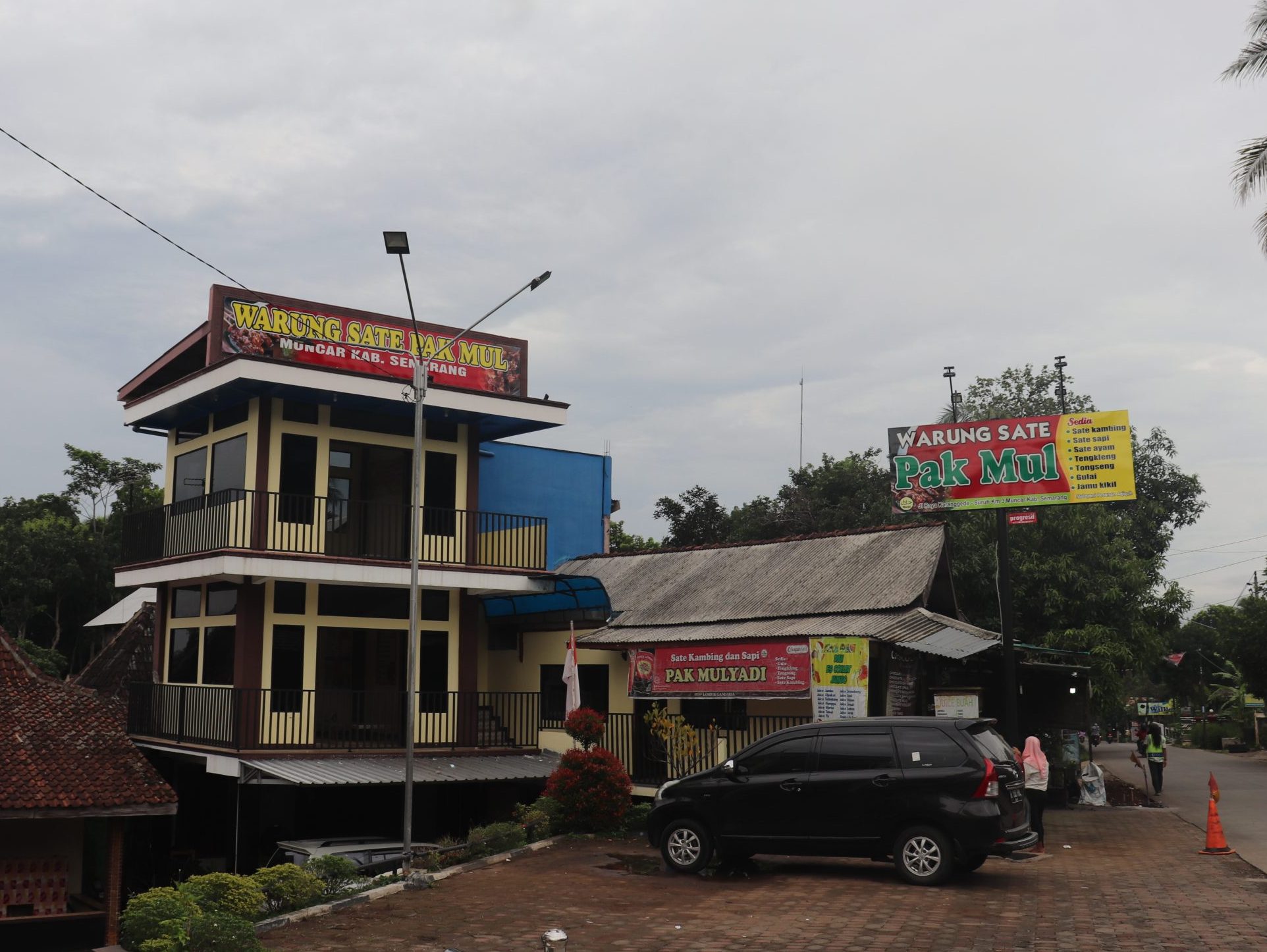

Dukuhsari Hamlet is renowned for its captivating culinary diversity, thanks to its strategic location at the intersection of the main Salatiga–Solo and Salatiga–Sragen roads. The bustling traffic not only brings numerous visitors but also enriches the variety of local cuisine. The culinary heritage in this hamlet is deeply rooted, passed down through generations, offering a wide array of mouthwatering dishes — from satay and local eateries to Padang restaurants. Semi-finished food products such as rambak (crispy beef skin crackers) and raw crackers also add to the culinary charm of this area.
Satay has become the main culinary icon of Dukuhsari, attracting visitors from various backgrounds. Fried rice is also a favorite, while rambak puli, rambak gendar, and rambak tepung add to the unique culinary identity of the hamlet. Not to be missed is kripik biduan, a snack made from durian seeds whose quirky name sparks curiosity.
This culinary contribution plays a significant role in the local economy, especially for women who run micro, small, and medium enterprises (MSMEs). While their husbands work in other sectors such as agriculture or as drivers, these women’s culinary ventures have a remarkably positive impact on household income.
In addition to being a culinary hamlet, Dukuhsari is also well-known as a center of distinctive batik craftsmanship. The batik produced here tells the story of Nyi Ageng Serang through its unique motifs. The village also offers a distinctive tourism experience, where visitors can learn the art of batik-making before purchasing the finished crafts — making a visit to Dukuhsari both memorable and educational.
